✆: (972) 612-3379
✉:
✆: (972) 612-3379
✉:

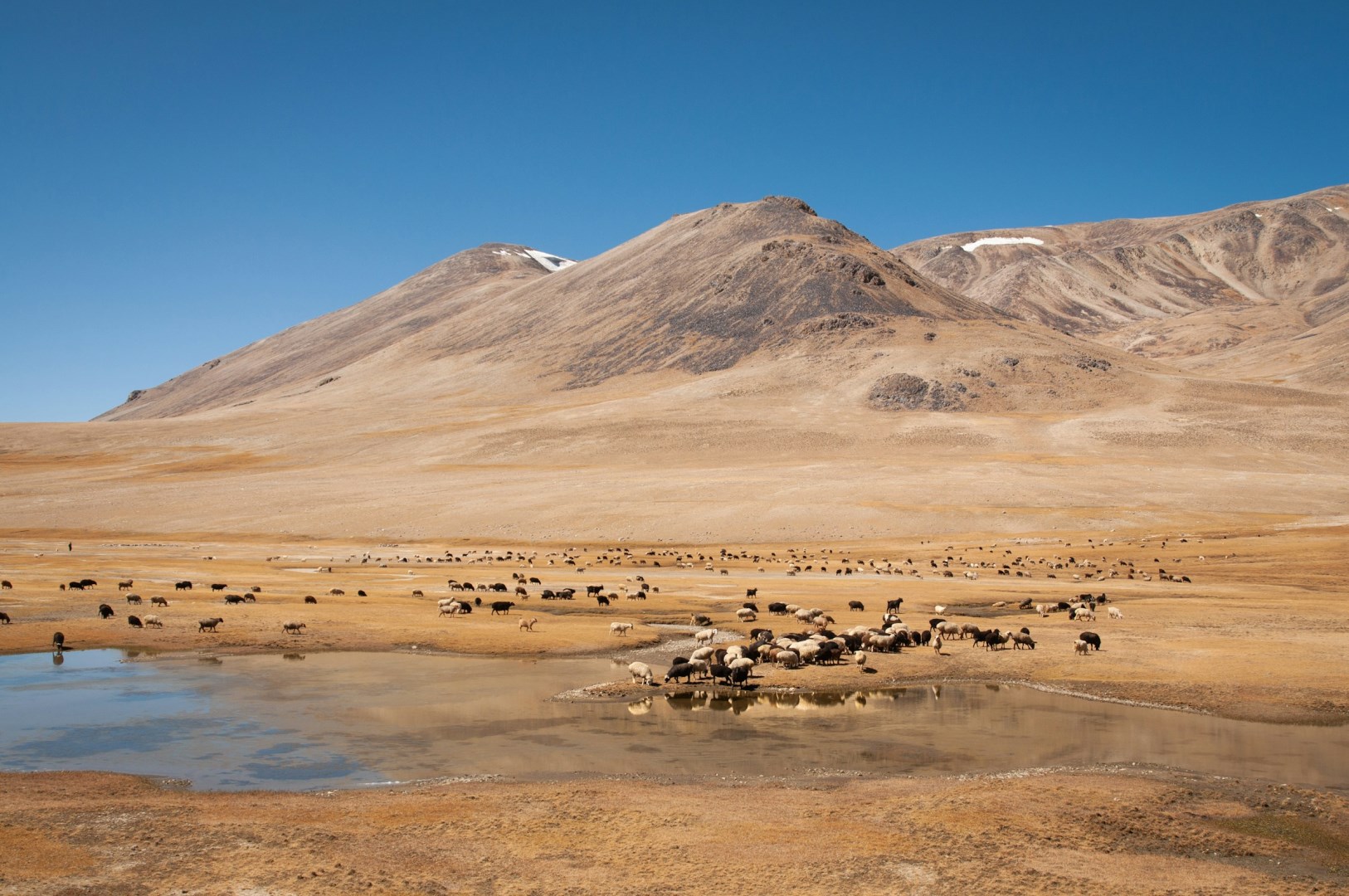
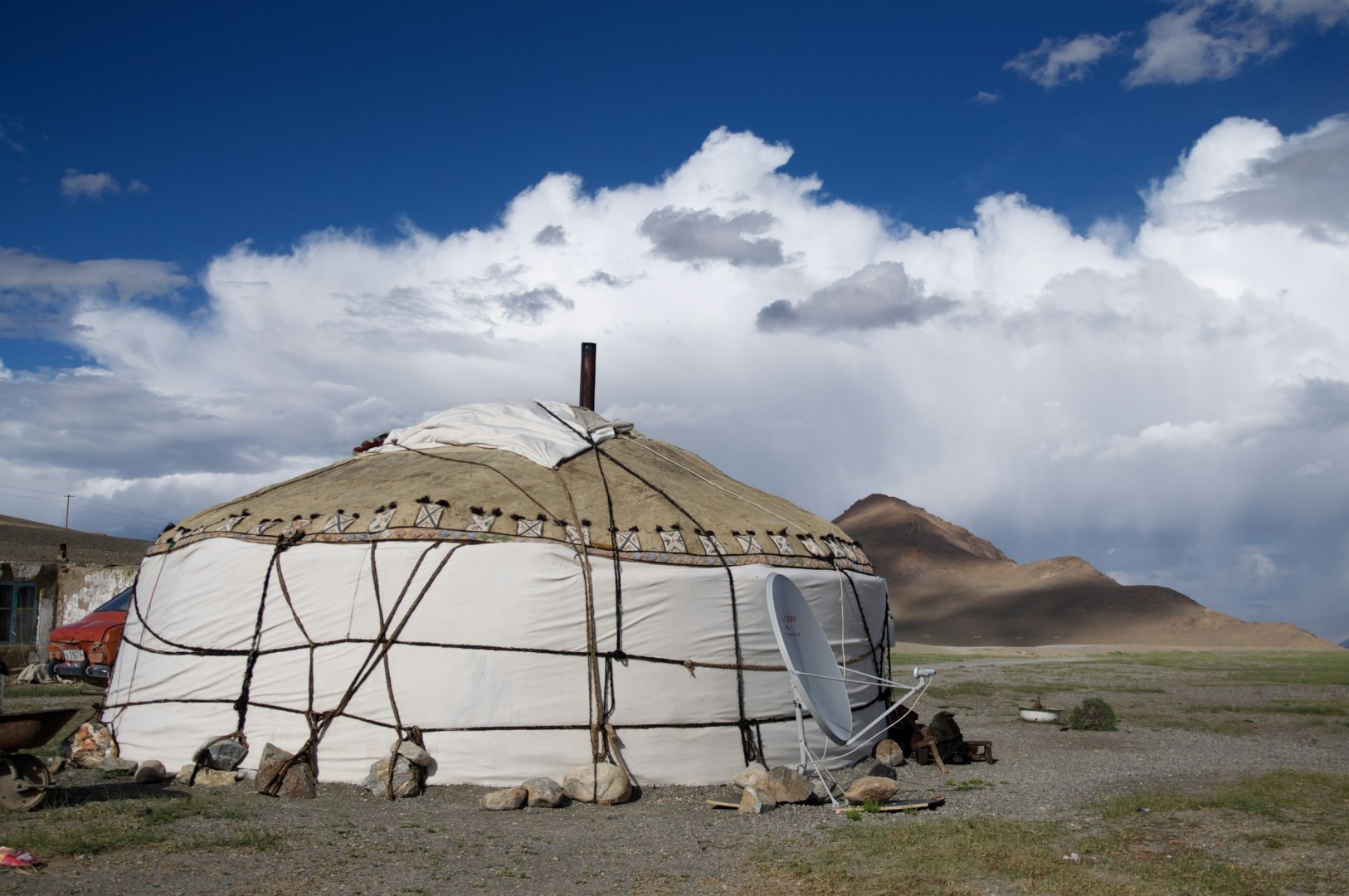
Murghab is a remote mountain town in eastern Tajikistan, located in the high-altitude Pamirs of the Gorno-Badakhshan Autonomous Region. It sits within a broad, dry landscape of gravel plains, mountain ranges, and sparse alpine vegetation, where trees are largely absent. Murghab is an important stopping point on the Pamir Highway, connecting eastern and western parts of the Pamirs and continuing toward Kyrgyzstan. Its isolated setting and high elevation give the town a distinctly rugged character, while small guesthouses and family homestays provide accommodation for travelers crossing this remote part of Central Asia.
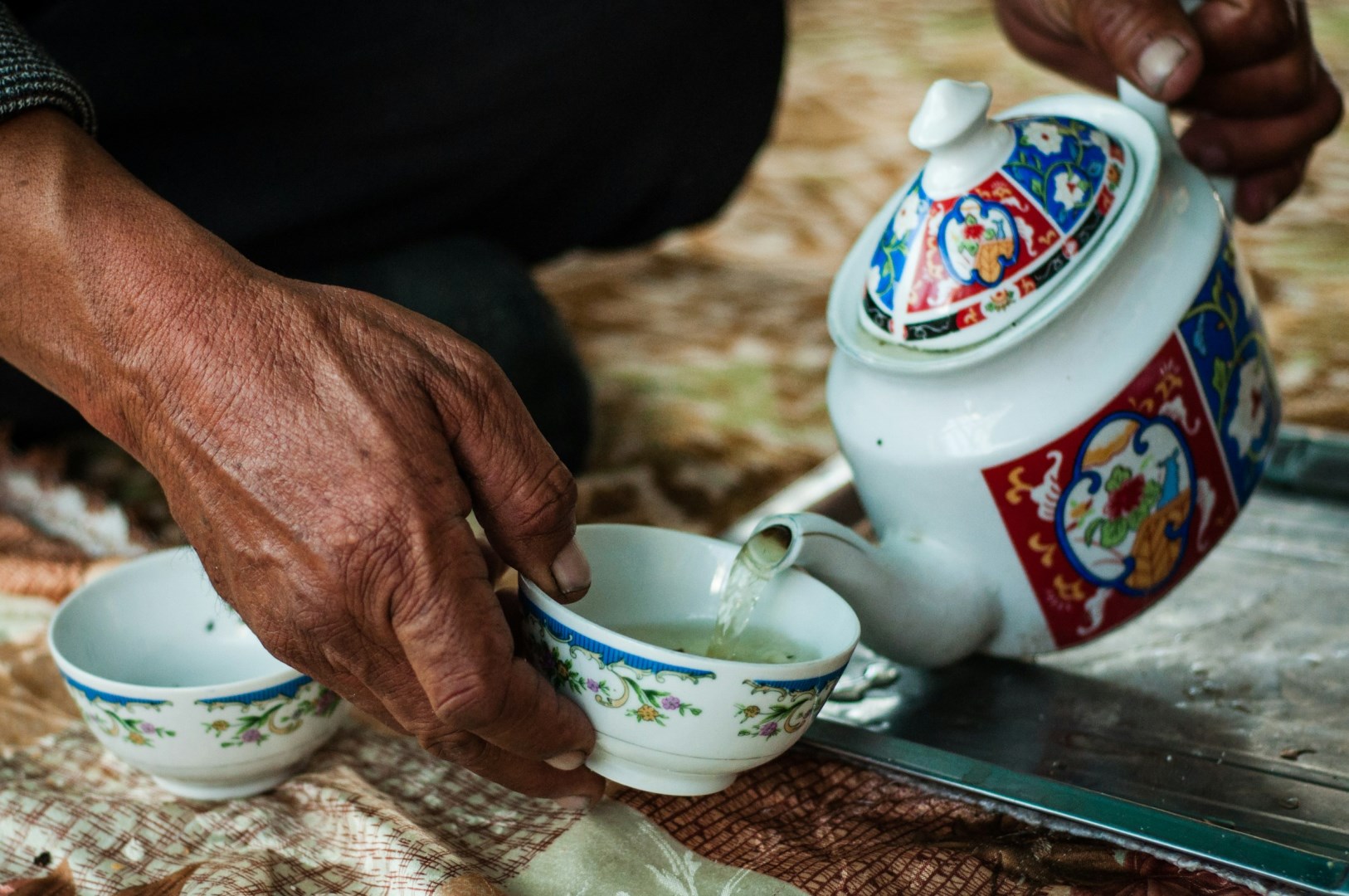
Life around Murghab is closely connected with the pastoral traditions of the Eastern Pamirs. The surrounding highlands support sheep, goats, cattle, and yaks, while some communities continue seasonal livestock grazing in mountain pastures. The district is home to Pamiri and Kyrgyz communities, whose traditions include distinctive clothing, crafts, music, and forms of hospitality. Murghab also has a small local bazaar, where traders and residents exchange food, household goods, clothing, and practical supplies. The town's location along historic routes across the Pamirs has also made it a meeting point between settled communities and pastoral groups.
The landscape surrounding Murghab contains some of the most remote natural attractions in Tajikistan. Lake Karakul lies to the north, a high-altitude lake surrounded by barren mountain slopes and broad open plains. The Alichur Valley and Bulunkul area offer further examples of the Eastern Pamirs' cold desert landscape, with high lakes, grasslands, and rugged mountains. Travelers can also reach Zorkul Nature Reserve from the Murghab side, where Lake Zorkul lies at more than 4,000 meters and provides habitat for species including Marco Polo sheep and mountain geese. The Pamir Highway itself is a major attraction, crossing remote passes and plateaus around the town.
Food in Murghab reflects the high-altitude environment and the traditions of both Pamiri and Kyrgyz communities. Meals commonly rely on meat, dairy products, bread, rice, and locally available ingredients, with dishes such as plov, lagman, mantu, and hearty soups found in local eateries and homestays. Dairy products from sheep, goats, cattle, and yaks are also part of rural food traditions. A distinctive feature of Murghab is its extreme setting: the surrounding Pamirs contain wide alpine deserts and pastures where traditional grazing continues despite the cold, dry climate. This combination of pastoral culture, remote settlements, and high mountain landscapes defines the character of Murghab.
Sandy Clark Travel | ✉: | ✆: (972) 612-3379
2204 Courtney Place, Plano TX 75075




An independent agent with Nexion, LLC in Irving, TX, a Travel Leaders Network Affiliate Agency